Skip to content

DENDROTONICS

(Dendrō: Trees, Ton·ic: Health)

Your Philippine agarwood partner for inoculation & legal export

We make land profitable and sustainable using biodiversity restoration technology


Our Mission

The Nation's Largest & Most Trusted Agarwood Organization

Everything we do grows from three convictions. They are our bottom lines — the soil our company is rooted in.

Our Why
  • 01

    Honor God the Creator

    We steward what was made, treating the land and its life as a gift entrusted to us.

  • 02

    Build a Great Philippines

    We grow an industry the nation can be proud of — legal, world-class, and lasting.

  • 03

    Create Wealth for Filipinos

    We turn Filipino land and labor into enduring, shared prosperity.

Profit is just the result. It dictates how the company operates, how we behave toward our partners and associates, and where we are going. Our bottom lines come first — profit follows.

Why is biodiversity important?
#1 Agarwood company in the Philippines

Invest in the World's Rarest and Most Valuable Wood

Plant, Profit, Perpetually — Sustainable, High-Yield, Proudly Filipino

Dendrotonics simplifies and streamlines your supply chain with full transparency, from cultivation to export — ensuring 100% legal compliance, traceability, and global market export readiness.

You may want to generate large incomes from your land. Or you may just want to generate large income, period. So why Agarwood? Why is Agarwood very expensive? How expensive? Is it legal? What is it used for? We provide you verifiable facts for all your questions.

Download whitepaper

Be part of a bold movement to establish the Philippines as the world’s premier source of sustainable and tech-powered agarwood

Our Services
Market Size
USD 1.5-1.7 Billion global agarwood market
Forecasted to reach USD 2.8-3.1 Billion by 2030
Agarwood Price Watch
Prices vary by origin, grade, and quality
The Nation’s Largest & Most Trusted Agarwood Organization

Turn Idle Land into High-value, Low-maintenance Agarwood Plantation

We plant, manage, monitor, and harvest — you earn via lease or revenue-share. No technical farming experience required.

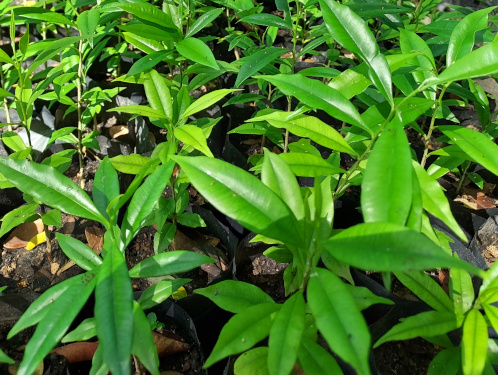
  • Zero-hassle Model: We handle seedlings, labor, inoculation and protection
  • Contracts: Clear lease or revenue-share templates with escrowed harvest sales
  • Agroforestry & Monitoring: On-site consultations, process, and crop monitoring options
  • Local Community Impact: Jobs for nearby communities and capacity building

Pioneering the Agarwood industry in the Philippines, Dendrotonics is the premier destination and your reliable partner for sustainable agarwood production

Testimonials
First company in the Philippines to legally export agarwood

Our Commitment to Biodiversity Restoration

We combine cutting-edge technology and sustainable agroforestry best practices to grow agarwood trees faster and unlock sustainable income for local farmers

Why wait for 7-12 years for return-on-investment (ROI). You can start earning revenue by the third year (year 3) of your investment using our innovative approach and perpetual harvesting technology. Your time is very important to us. Consult now.

50
Agroforestry Partners in 74 sites
50+
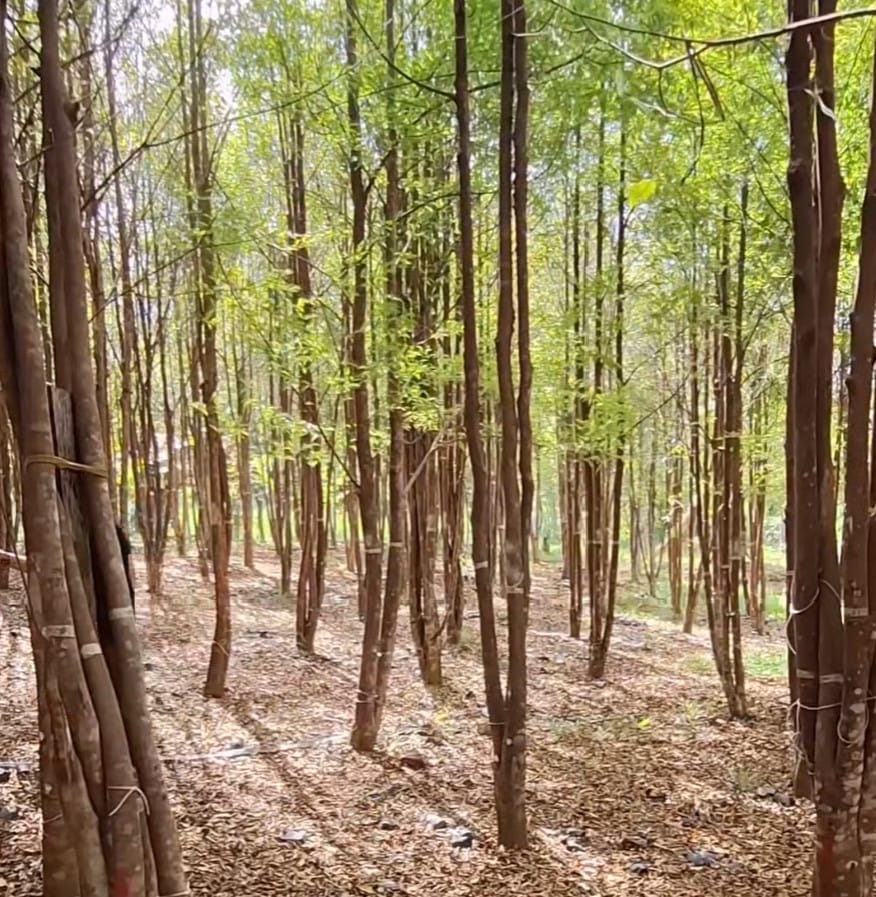
Hectares managed with more than 66,000 native trees
88%
Yield and survival rate
Agarwood Plantation
833 trees/hectare
↑ Compression technology

BUSINESS LINES

SIMPLIFY AGROFORESTRY
WITH DENDROTONICS TECHNOLOGY

Empowering Global Markets with Tech-Driven, Ethically Sourced Filipino Agarwood
 
From innovative agroforestry solutions, to the first Filipino-made agarwood inoculant, we create sustainable value for your agroforestry operations and timber plantation developments needs while uplifting local communities and proudly advocating for Filipino native trees. We want to reforest the Philippines. We want to promote native biodiversity. The only way to successfully achieve this is to simultaneously generate income for the people. And we do all this with a global scale in mind and simple, yet innovative agroforestry solutions. Dendrotonics delivers tech-powered, sustainable solutions across three strategic verticals — transforming agroforestry into a future-ready, globally competitive industry:
Agarwood Production Technology
Core Service 01

Agarwood Production Technology

Premium agarwood cultivation using innovative Filipino agroforestry technology

  • High-volume, high-quality in the shortest period of time
  • Exclusive, Filipino-made inoculation technology
  • Fast-growing technology
  • Perpetual harvest system
  • Export quality standards and legal compliance
Timber Plantation Development
Core Service 02

Timber Plantation Development

We simplify large-scale timber plantation management with a passionate focus on developing Philippine native species

  • Native timber species advocacy
  • Full value chain services
  • High yield plantation techniques
  • Sustainable forest management
  • Transparent end-to-end management
Flora Filipiniana Flower Tourism
Core Service 03

Flora Filipiniana Flower Tourism

We develop high income and biodiverse commercial spaces with Philippine native blooms

  • Establishing Flora Filipiniana parks in the global stage
  • Eco-tourism development
  • Community recreation spaces
  • Developing beauty and income
  • Educational and conservation facilities
FAQ

Frequently Asked Questions

Everything you need to know about starting an agarwood business and growing it in the Philippines.

  • Yes — it is perfectly legal, provided it is done through the proper channels and permits. Cultivating agarwood-producing Aquilaria species on a registered plantation is legal under the Wildlife Resources Conservation and Protection Act (Republic Act No. 9147). What the law prohibits is collecting seeds, seedlings, or wood from the wild, since native Aquilaria (lapnisan) is a protected species. Getting the application, documentation, and ongoing compliance right is exactly where our consultancy guides you, step by step.

  • Agarwood is graded on resin content, and price follows grade more than anything else. Lower grades trade for a few thousand pesos per kilo, while resin-rich, top-grade material is among the most valuable natural products in the world — documented prices reach up to about US$100,000 per kilogram on the international market. What you actually sell it for depends on resin content, tree age, processing, and buyer relationships. Cultivated agarwood prices are different from wild-harvested ones. During consultation we help you understand a realistic grade distribution and pricing for your own plantation, rather than relying on headline figures.

  • Native Aquilaria — locally known as lapnisan — historically grows in lowland tropical rainforests scattered across Luzon, the Visayas, and Mindanao, with areas like Palawan among the better known areas. In practice, wild trees are protected and increasingly rare under RA 9147, so legitimate, traceable supply today comes from cultivated plantations rather than the forest. Sourcing legal, properly documented planting material is one of the first things we help clients get right and connect them with reliable buyers for legal export.

  • Agarwood is well matched to the Philippine setting and it thrives in the warm, humid, tropical conditions with steady rainfall that the Philipines is known for — from the lowlands up to moderate elevations — and grows best in well-drained, slightly acidic loamy soils with light shade while young; waterlogged or compacted ground is the main thing to avoid. That said, the right species, spacing, and site preparation depend heavily on your specific land. A proper site-suitability assessment is part of what our consultancy delivers before a single seedling goes in the ground.

  • As a rule of thumb, an Aquilaria tree needs several years to reach a trunk size mature enough for inoculation — the step that triggers the prized resin — after which the resin continues to develop. In the wild this can take decades, which is exactly the problem our technology solves: Dendrotonics is built around producing high-quality agarwood in the shortest possible time, paired with a perpetual harvesting system. The realistic timeline for your plantation depends on your site, species, and management plan, which we map out with you during consultation.

  • We offer two main ways to partner with us. In the first model, you plant on your own land: you own and host the trees, while Dendrotonics supplies the seedlings, logistics, our Filipino-made inoculant, and we provide ongoing monitoring and consultancy — so you stay in control of the asset with our technology and expertise behind it. In the second business model, you co-plant with us: Dendrotonics grows and tends your trees within our own managed nursery, and you simply visit and monitor from time to time — ideal if you want to invest in agarwood without managing the day-to-day. Which path fits you best depends on your land, capital, and how hands-on you want to be — something we walk through with you in a consultation.

Have a site in mind, or questions specific to your land and goals?

Book a consultation

General guidance only — not legal advice. Permit requirements are governed by RA 9147 and DENR regulations.

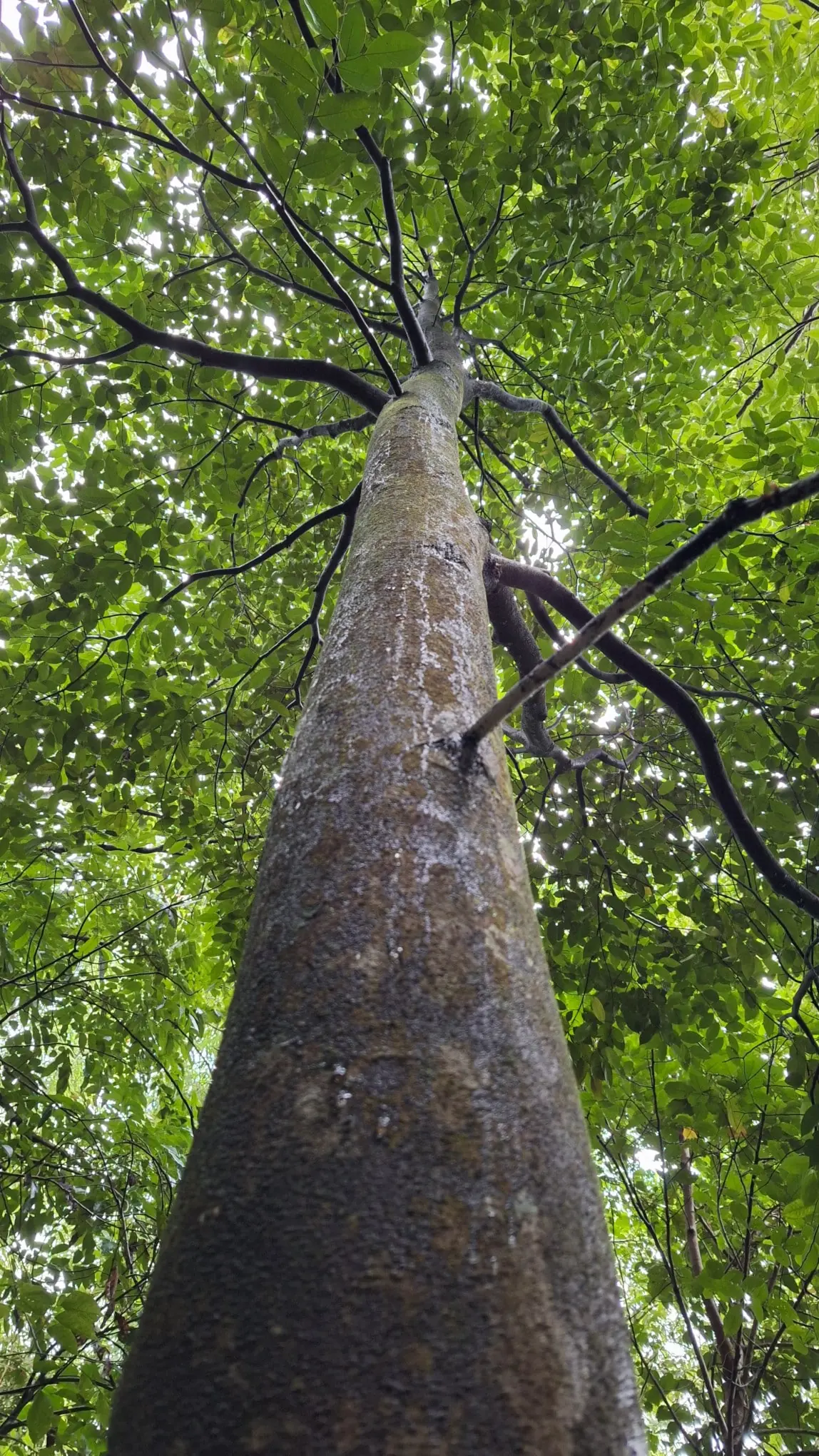
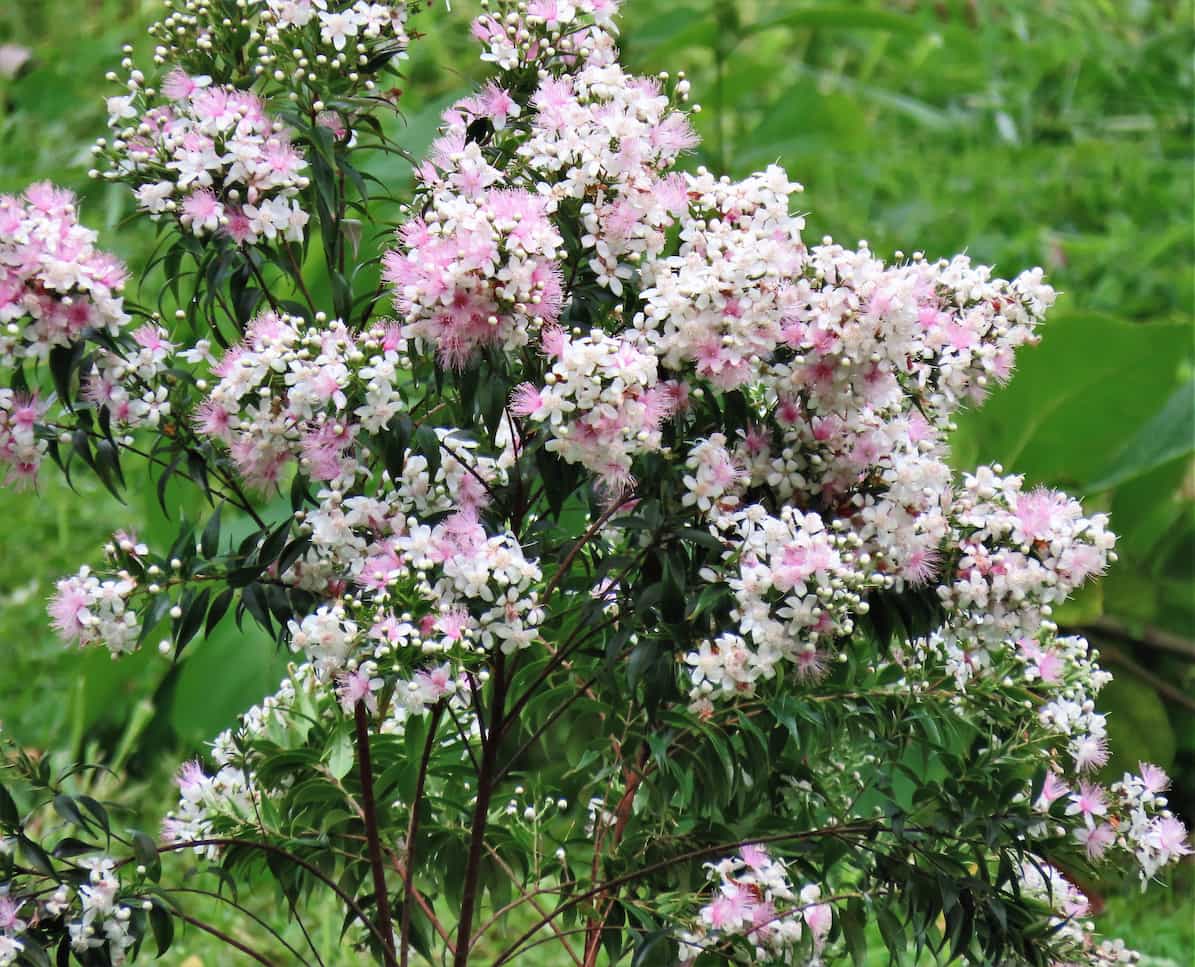
Aquilaria Malaccensis Tree
Aquilaria Malaccensis
Lapnisan: The world’s finest agarwood, proudly rooted in the Philippines

The World’s Most Precious Wood

Discover the Value of Philippine Agarwood

Known locally in the Philippines as "Lapnisan", Agarwood or Oudh is a rare and fragrant resin formed in Aquilaria and Gyrinops trees when inoculated.

With more than 3000 years of history, both the Bible and Quran state its importance in religious and cultural practices. Agarwood is a botanical miracle prized for incense, luxury perfumes, and traditional medicine.

Use Cases:

  • 🌍 Global demand from perfumery, wellness, and religious sectors
  • Decades-long maturation process creates scarcity
  • 🌿 Sustainable cultivation essential to protect wild populations
  • 🔒 Strict legality: wild harvesting is banned
  • 📈 High ROI potential: especially for tech-enabled, traceable supply chains

High Value: Documented prices of high grade Agarwood fetch up to $100,000 USD per kilogram. Legal cultivation through DENR-approved plantations ensures full export compliance and rising investor interest.

"Nicodemus, who had first come to Him by night, also came, bringing a mixture of myrrh and aloes, about a hundred pounds weight. John 19:39 Aloes is Agarwood. Agarwood is significant to our Christian faith. It was the perfume used on the Lord Jesus’ body after the crucifixion."

Dr. Ephraim "Doc Em" Cercado, President of Dendrotonics
Dr. Ephraim "Doc Em" CercadoPresident, Dendrotonics

Interested to attend our webinar?

Enter your details to opt in to our webinar and receive updates about our upcoming events and promotions. We respect your privacy and will never share your information.

Testimonials

Hear it straight from our partners and customers

Real Stories. Real Impact. At Dendrotonics, our customers tell our story best.

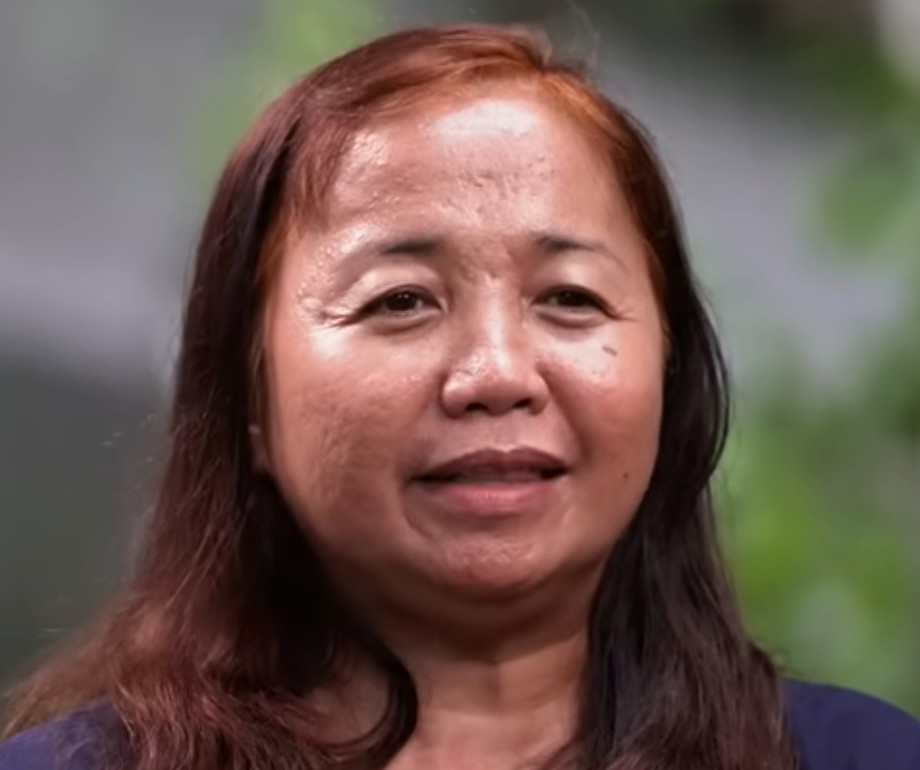
"Here in Dendrotonics, in only 6 months, we saw good results."

Ning Terrado, Farm Owner from Sarangani Province — Dendrotonics agarwood partner

Ning Terrado

Farm Owner

Sarangani Province

"Na excite ako kasi nakita ko sa harvest namin na pwede na pala kami magharvest ng Agarwood after 3 years. Hindi na namin kailangan mag-antay ng 5-10 years."

Jason Cababayao, Farm Owner from Tupi, South Cotabato — Dendrotonics agarwood partner

Jason Cababayao

Farm Owner

Tupi, South Cotabato

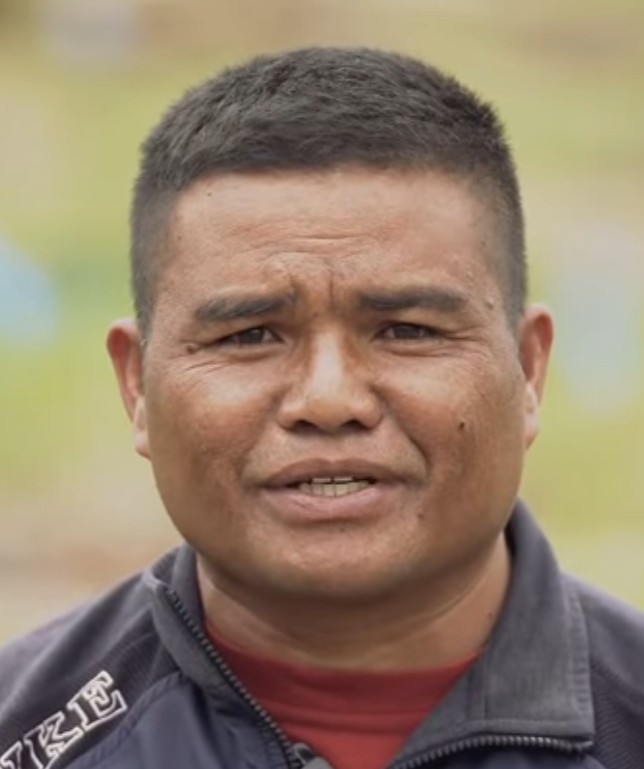
"Ang laking tulong ng Dendrotonics sa tribu namin."

Danilo Dalican, Salacafe Farmers Cooperative President from T'Boli tribe — Dendrotonics agarwood partner

Danilo Dalican

Salacafe Farmers Cooperative President

T'Boli tribe

Agreesa Agri — Dendrotonics partner logo
Agribusiness — Dendrotonics partner logo
GMA News — Dendrotonics media feature logo
Kabuhayan at Negosyo — Dendrotonics media feature logo
Kapuso Mo, Jessica Soho (KMJS) — Dendrotonics agarwood feature logo
Philippine Native Trees Enthusiasts (PNTE) — Dendrotonics partner logo
My Puhunan — Dendrotonics media feature logo